Choose herbs for the light you really have
A bright windowsill can support many culinary herbs, but the number of sunlit hours and winter light vary greatly by location. Basil and rosemary typically need brighter conditions than mint and parsley, though all need enough light for healthy growth. Observe the window through the day rather than judging it at noon. If growth is pale and stretched, move the plant to better light or consider a suitable grow light. Do not assume that a shaded kitchen will suit every supermarket pot.
Give roots drainage and enough space
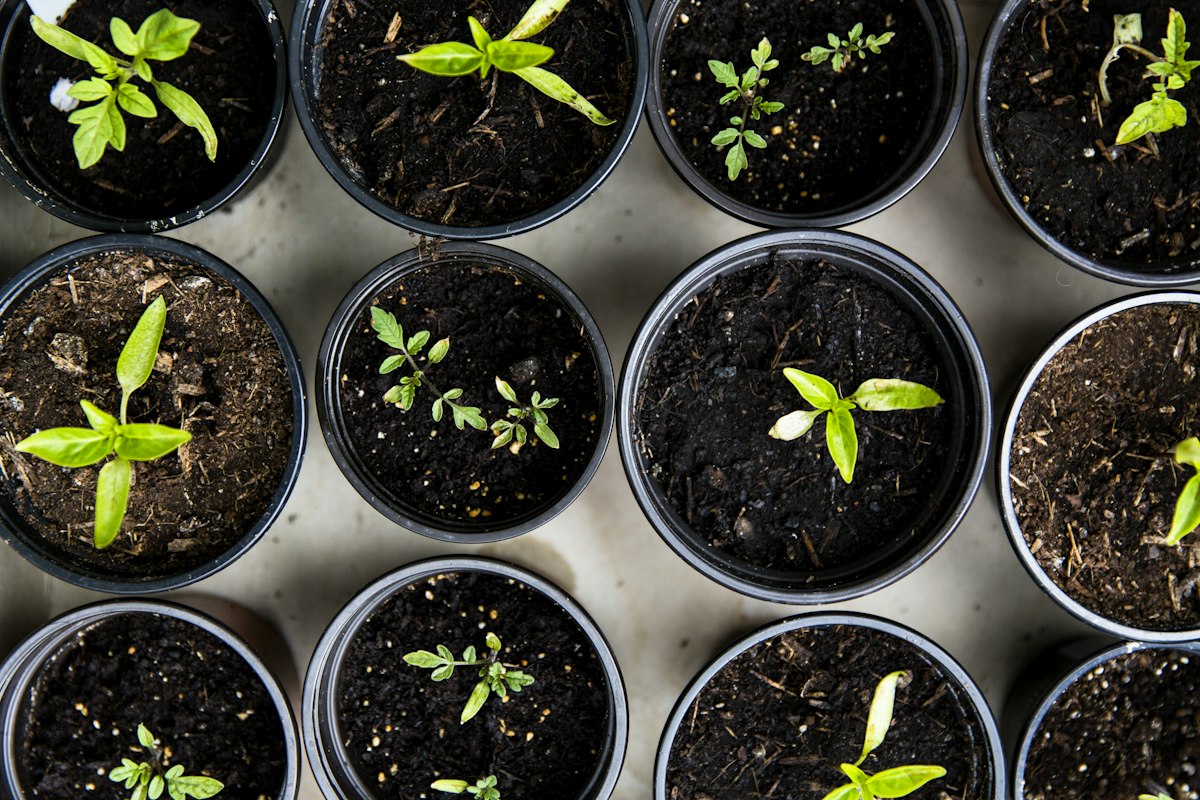
Choose containers with drainage holes and saucers, plus a suitable growing medium rather than compacted garden soil. Many supermarket herbs contain numerous seedlings crammed together for quick sale; splitting them into several pots can give the roots more room. Mint is particularly vigorous and is often easier to contain in its own pot. Avoid planting several herbs with completely different watering needs in one small planter just because they look attractive together.
Water the soil, not the calendar
Lift the pot and check the top layer of compost before watering. A fixed daily schedule can leave roots waterlogged in a cool room and dehydrated in a hot one. Water thoroughly when the soil needs it, let excess moisture drain and empty a saucer that remains full. Rosemary and thyme usually prefer freer-draining conditions; basil often needs more consistent moisture while actively growing. Yellow leaves may reflect several problems, so inspect light, temperature and roots rather than adding fertilizer immediately.
Harvest gradually and keep plants productive
Pick a little and often instead of stripping a young plant bare. Snip tender basil tips above a leaf pair to encourage branching, and avoid taking a large amount from a newly rooted cutting. Remove flowers or aging stems as appropriate for the herb and the flavour you want. Wash harvested leaves with clean water before using them. Save surplus as dried or frozen herbs only with a method suitable for the plant; oil infusions require food-safety care and are not automatically safe at room temperature.
Check plant identity and pets before use
Only cook with plants that have been reliably identified as culinary species from a trustworthy source. Ornamental or wild lookalikes are not automatically edible. Pet safety differs by species: the ASPCA lists basil as non-toxic to cats and dogs, but lists chives as toxic and reports issues from substantial mint ingestion. Keep pots out of reach when necessary, and seek veterinary advice if a pet eats a potentially harmful plant. A pretty herb shelf should work for everyone in the household.
A general educational overview, not a substitute for professional guidance. Check current local rules and trusted primary sources before making consequential decisions.
Share this article