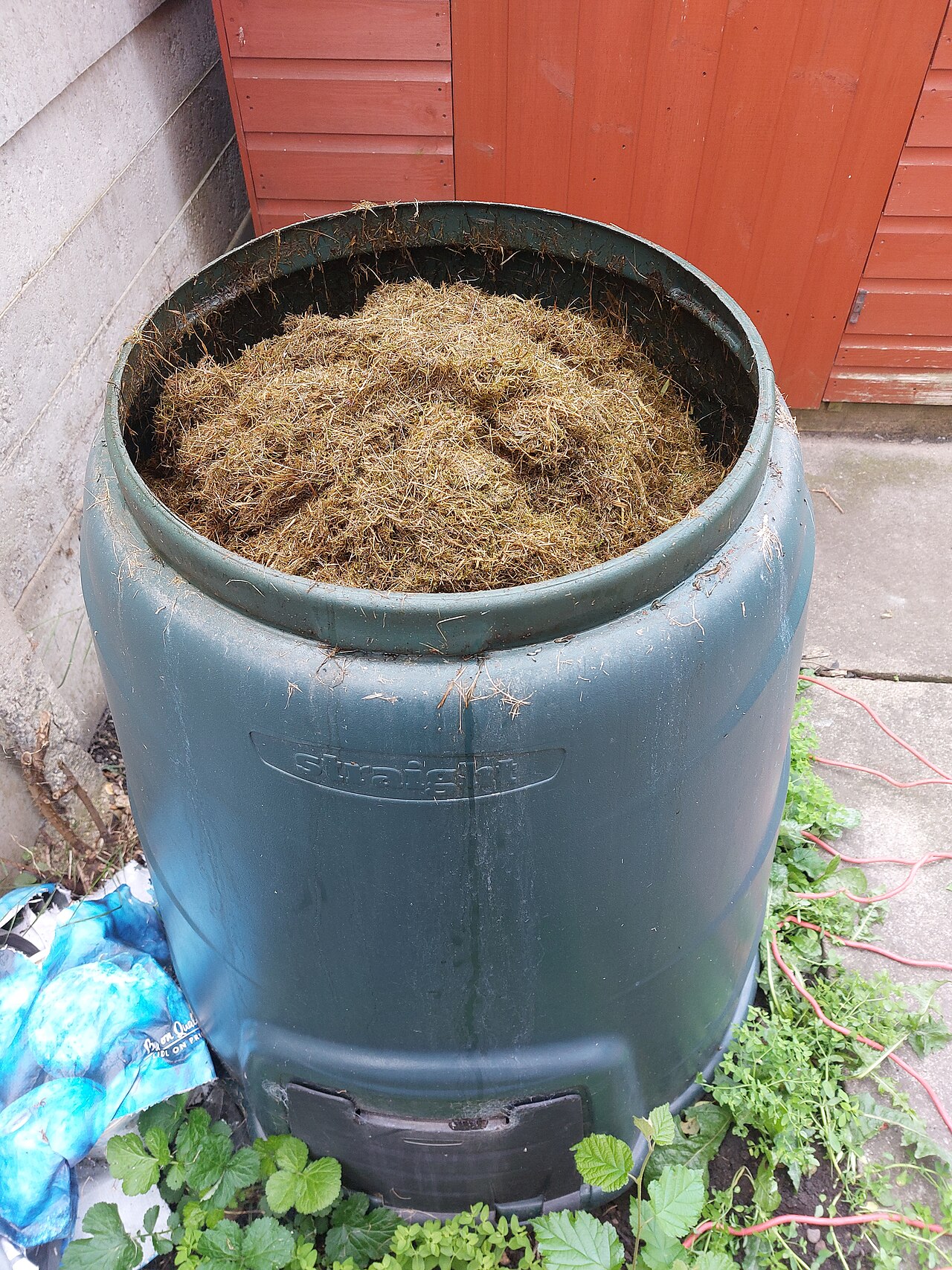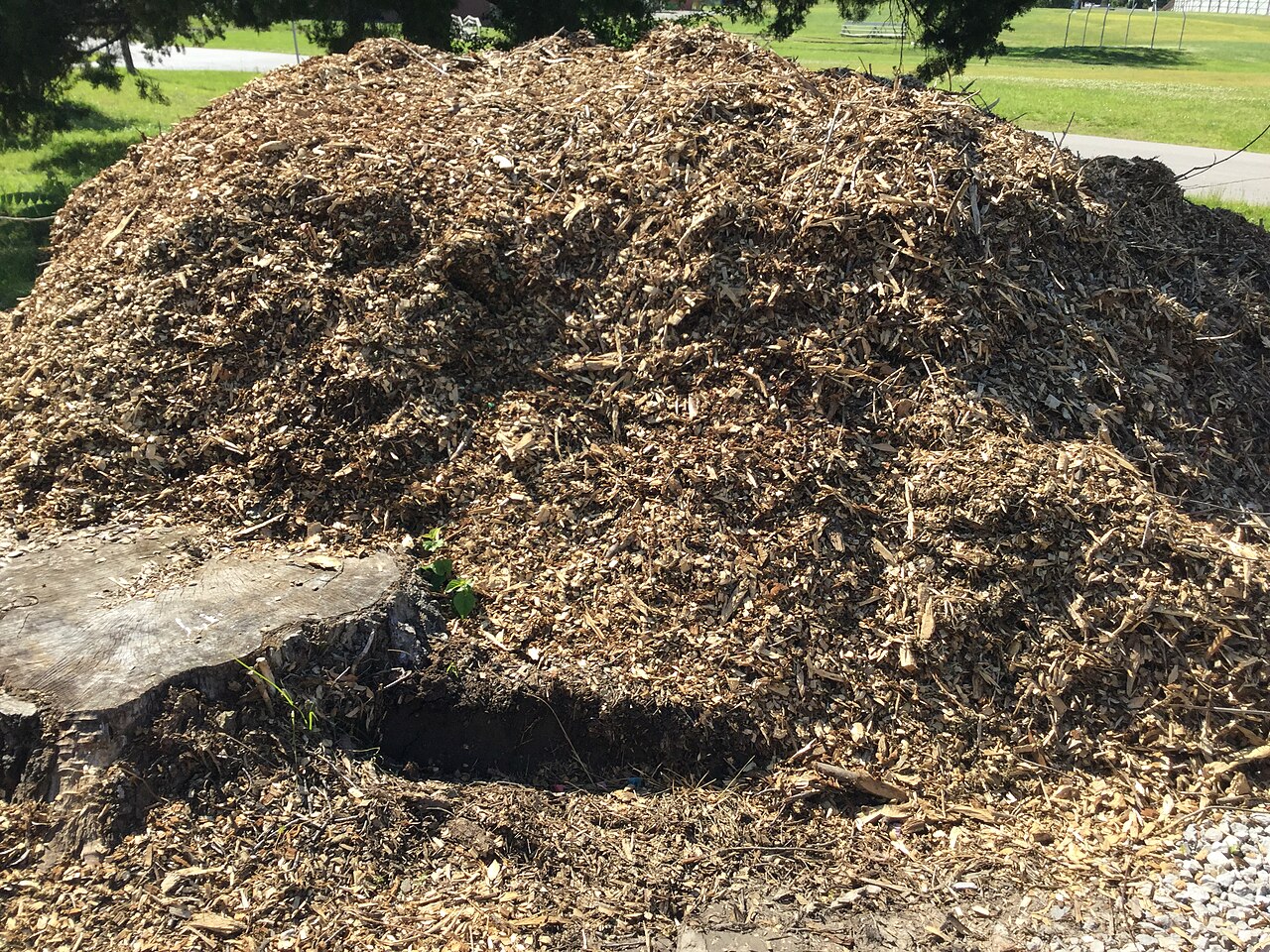
Decide what the covering should achieve
Mulch covers the soil surface rather than being a separate growing medium. You might want to reduce evaporation, suppress annual weeds or protect bare soil. Inspect the bed first and identify the plants already growing there. A useful choice depends on the site; the same material is not automatically right for a vegetable bed, a path and a container.
Match the material to the planting
Composted organic material, leafmould and bark have different textures and uses. Organic mulch gradually breaks down, while mineral coverings remain and can be awkward to remove. Choose a clean material appropriate for the plants and local conditions. Avoid buying on colour alone, and ask what the product contains if its origin or treatment is unclear.
Prepare the surface before spreading
Remove weeds and water dry soil before covering it. Mulch is not a substitute for dealing with persistent weeds or poor drainage. Work in a small section so that you can see the soil surface and plant bases clearly. Keep existing irrigation outlets accessible and check that you are not burying small seedlings or low-growing plants.
Keep mulch away from stems
Spread an even layer according to the material and plant guidance; RHS commonly recommends several centimetres for organic mulch. Leave space around woody stems and crowns rather than piling material against them. Use your hand to check the edge around each plant. A tidy-looking mound against a trunk is not the objective; the covering belongs on the surrounding soil.
Observe the bed and adjust
Check moisture below the layer instead of judging only its dry surface. Watch whether water reaches the soil and whether weeds appear through gaps. Photograph one small area before and after mulching and revisit it during dry weather. Top up decomposed organic material when needed, keeping plant bases clear, rather than automatically adding another thick layer every season.
A general educational overview, not a substitute for professional guidance. Check current local rules and trusted primary sources before making consequential decisions.
Share this article