Inside: drop, cover and hold on
If the ground begins shaking while you are indoors, stay inside in most situations. Drop onto your hands and knees so you are less likely to be knocked over, cover your head and neck beneath a sturdy table or desk if one is nearby, and hold on until shaking stops. If no shelter is close, crouch beside an interior wall or low furniture and protect your head and neck with your arms. Stay away from windows, glass, unsecured shelves and objects that might fall. Do not run across a shaking room in search of the perfect spot.
Do not rush outside or use elevators
Doorways are not generally safer than other parts of modern buildings, and running outside exposes you to falling glass, masonry and debris. Stay under cover until the shaking ends and assess the environment before moving. Never use an elevator during or immediately after an earthquake. If you are in bed, usually remain there and protect your head with a pillow unless dangerous objects can fall directly onto you. If you use a wheelchair, lock the wheels if you can and shield your head and neck. Adapt actions to the local building and your mobility.
Outside and in vehicles: choose safe distance
If you are already outdoors, stay outdoors and move away from building facades, trees, streetlights, power lines and other falling hazards if it is safe to do so. Drop low and protect your head. If driving, reduce speed gradually and stop in a clear area away from bridges, overpasses, power lines and buildings. Remain in the vehicle until the shaking stops, then proceed cautiously while checking for road damage. Do not stop under an unstable structure merely to get out of traffic. Follow official route closures and instructions rather than navigation apps alone.
When the shaking stops, check for immediate danger
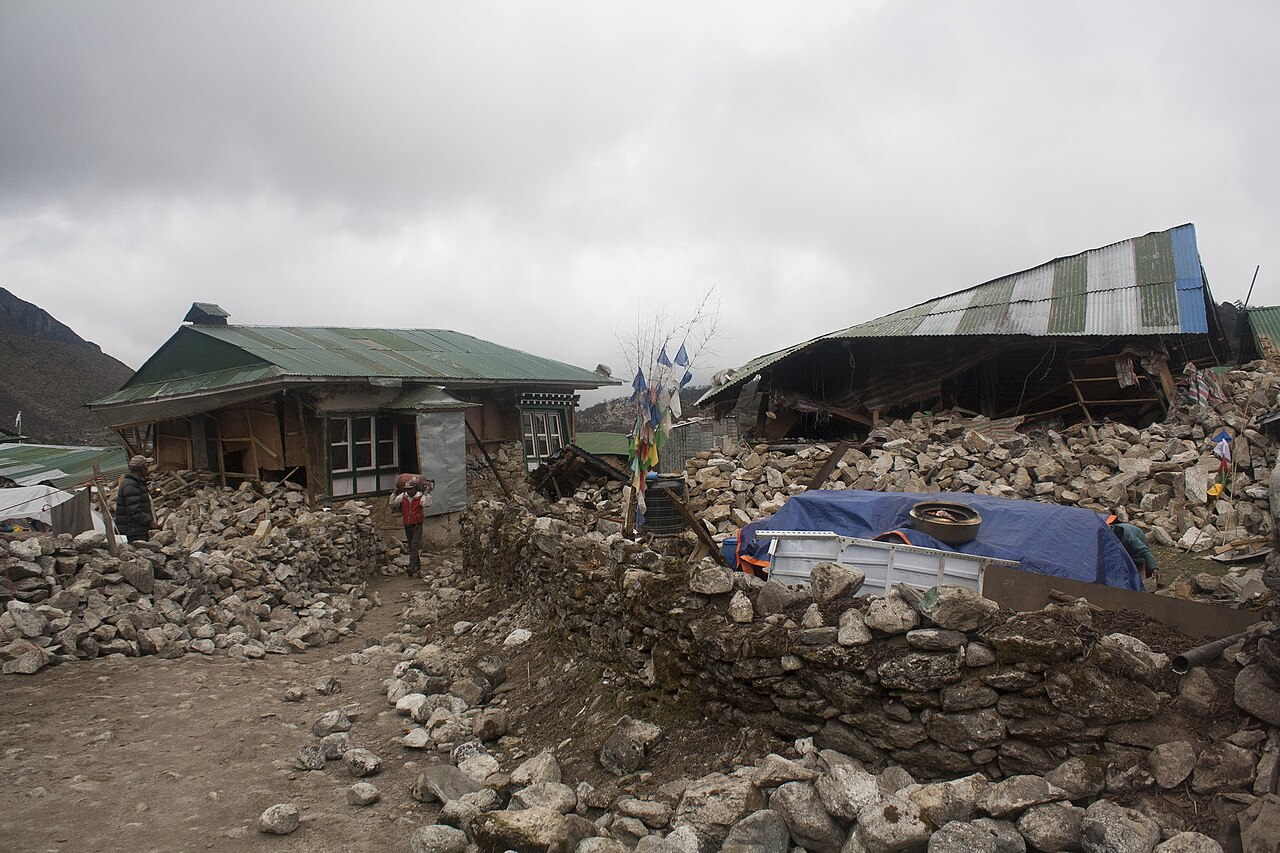
Look for injuries, broken glass, unstable furniture, damaged stairs, cracks and exposed electrical equipment. Avoid entering visibly damaged buildings or returning for valuables. Expect aftershocks, which may occur minutes or much later; when they start, drop, cover and hold on again. If you smell gas or suspect a leak, leave the area as safely as possible and contact emergency services or the utility from a safe place. Avoid matches, switches or other ignition sources near suspected leaks. Use flashlights rather than candles and follow local authorities.
Coastal areas require tsunami awareness
If you are near the coast and experience strong or prolonged shaking, treat it as a potential natural tsunami warning where local guidance identifies that hazard. Once shaking ends and you can move safely, follow marked evacuation routes to higher ground or farther inland without waiting for a text alert. Stay away from beaches and harbours until officials declare the area safe. A tsunami can arrive as several waves and dangerous currents, not just a dramatic wall of water. Inland earthquake advice and coastal evacuation needs can differ, so learn the local plan before travelling.
Prepare a small practical emergency kit
Know safe cover points at home, work and accommodation and practise the Drop, Cover, Hold On sequence. Secure heavy furniture where possible, place shoes and a torch near the bed, and maintain a simple go-bag with water, essential medication, a charged power bank and local emergency contacts. Agree with family how to communicate if phone networks are overloaded. After an earthquake, check official alerts and building instructions rather than rumours on social media. Earthquake-safe behaviour depends on surroundings, but protecting your head and remaining alert to aftershocks are broadly useful.
A general educational overview, not a substitute for professional guidance. Check current local rules and trusted primary sources before making consequential decisions.
Share this article