Check the UV index, not only the heat
Ultraviolet radiation can be strong even when air feels cool or there is cloud cover. The UV index helps indicate possible skin and eye damage; WHO recommends additional protective measures when it reaches 3 or above.
Shade and clothing come first
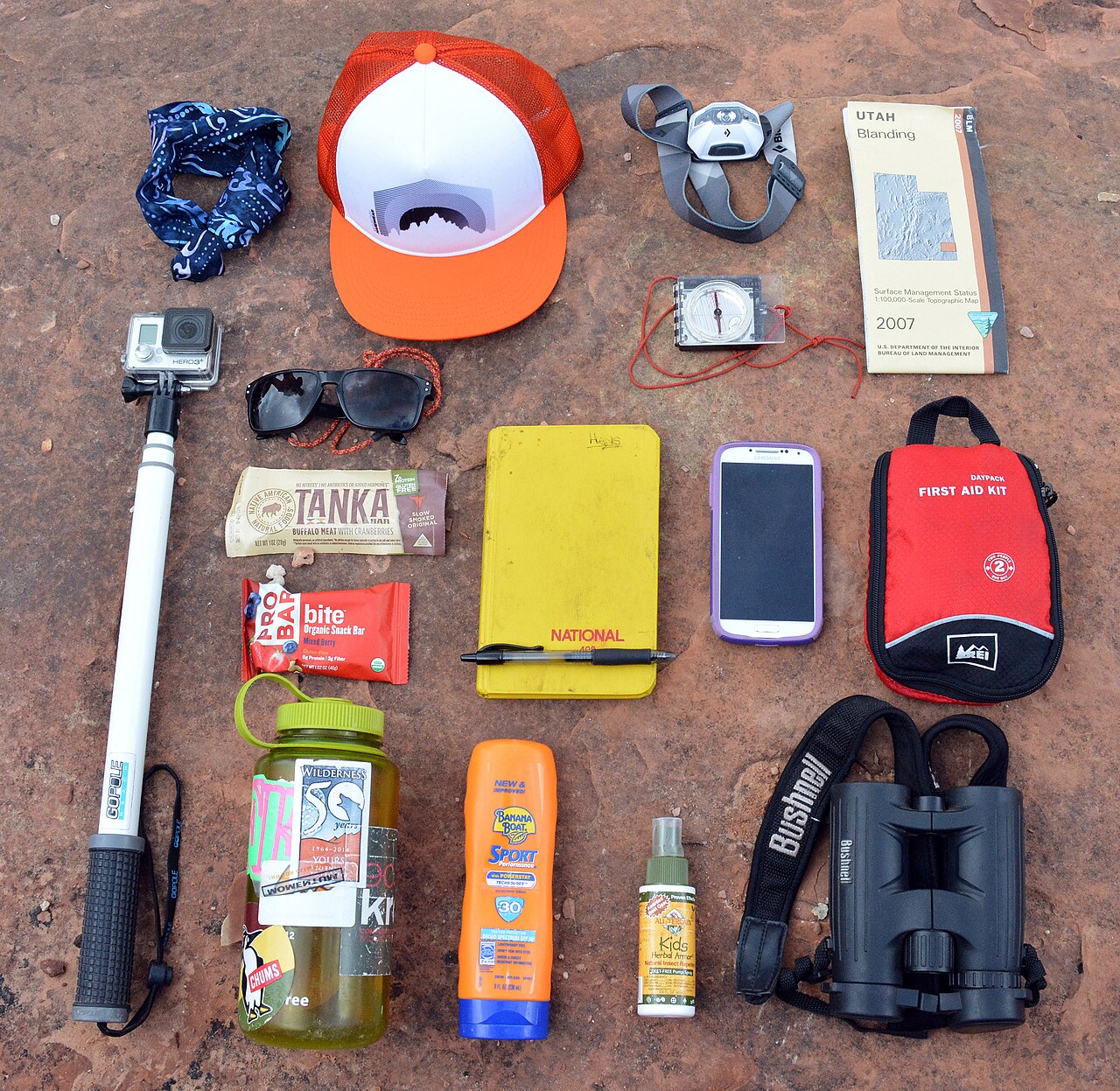
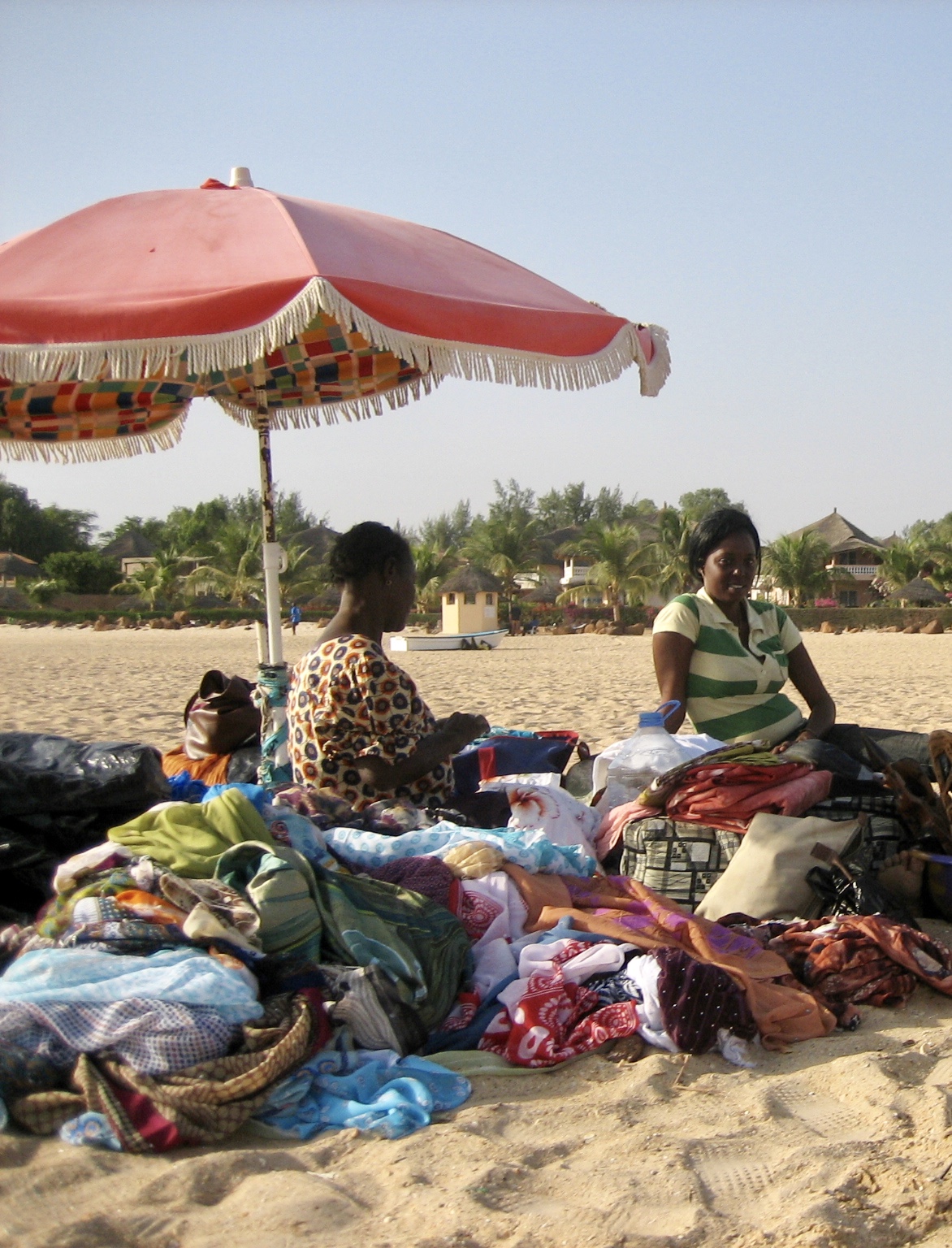
Plan outdoor activities to avoid the strongest midday sun where practical. A wide-brimmed hat, protective clothing and sunglasses with appropriate UV protection can reduce exposure. Shade is helpful but does not block reflected UV from water, sand or snow.
Use sunscreen correctly
Apply broad-spectrum sunscreen with SPF 30 or higher to uncovered skin, and reapply about every two hours or after swimming and heavy sweating according to product instructions. Sunscreen is a supplement to other protection, not permission to spend unlimited time in the sun.
Protect children and sensitive travelers
Consider age, skin sensitivity, medications and travel altitude. Some people need individualized medical advice about sun sensitivity. Avoid artificial tanning devices; a tan indicates a response to UV damage, not a safe protective baseline.
A general educational overview, not a substitute for professional guidance. Check current local rules and trusted primary sources before making consequential decisions.
Share this article