Choose flowers for different seasons
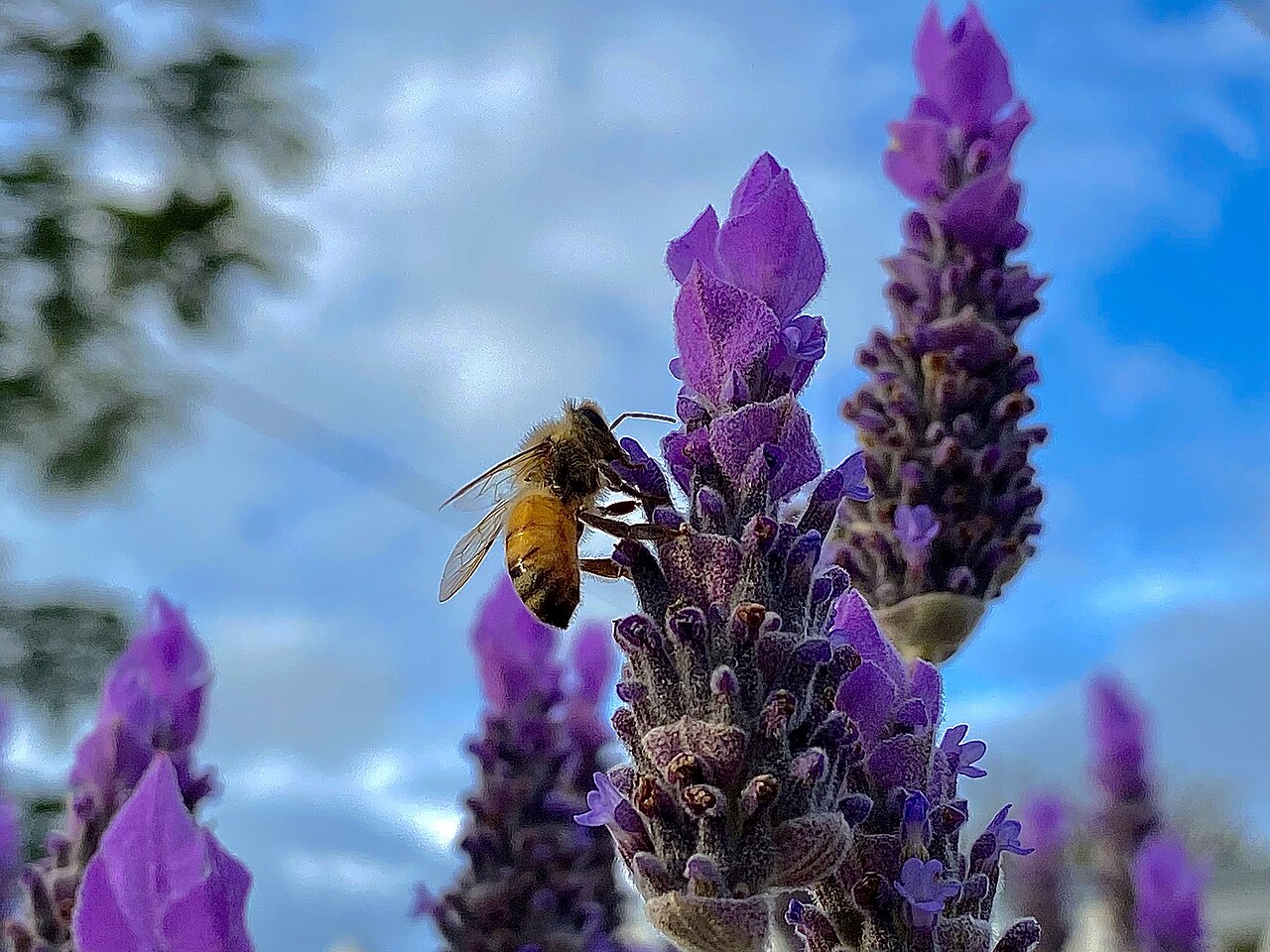
A balcony can provide nectar and pollen if the plants flower at different times. RHS lists many beneficial garden species, including single-flowered cosmos, lavender and other options. Climate, growing conditions and pollinator species differ, so choose suitable local plants instead of one universal list.
Not every ornamental flower provides food
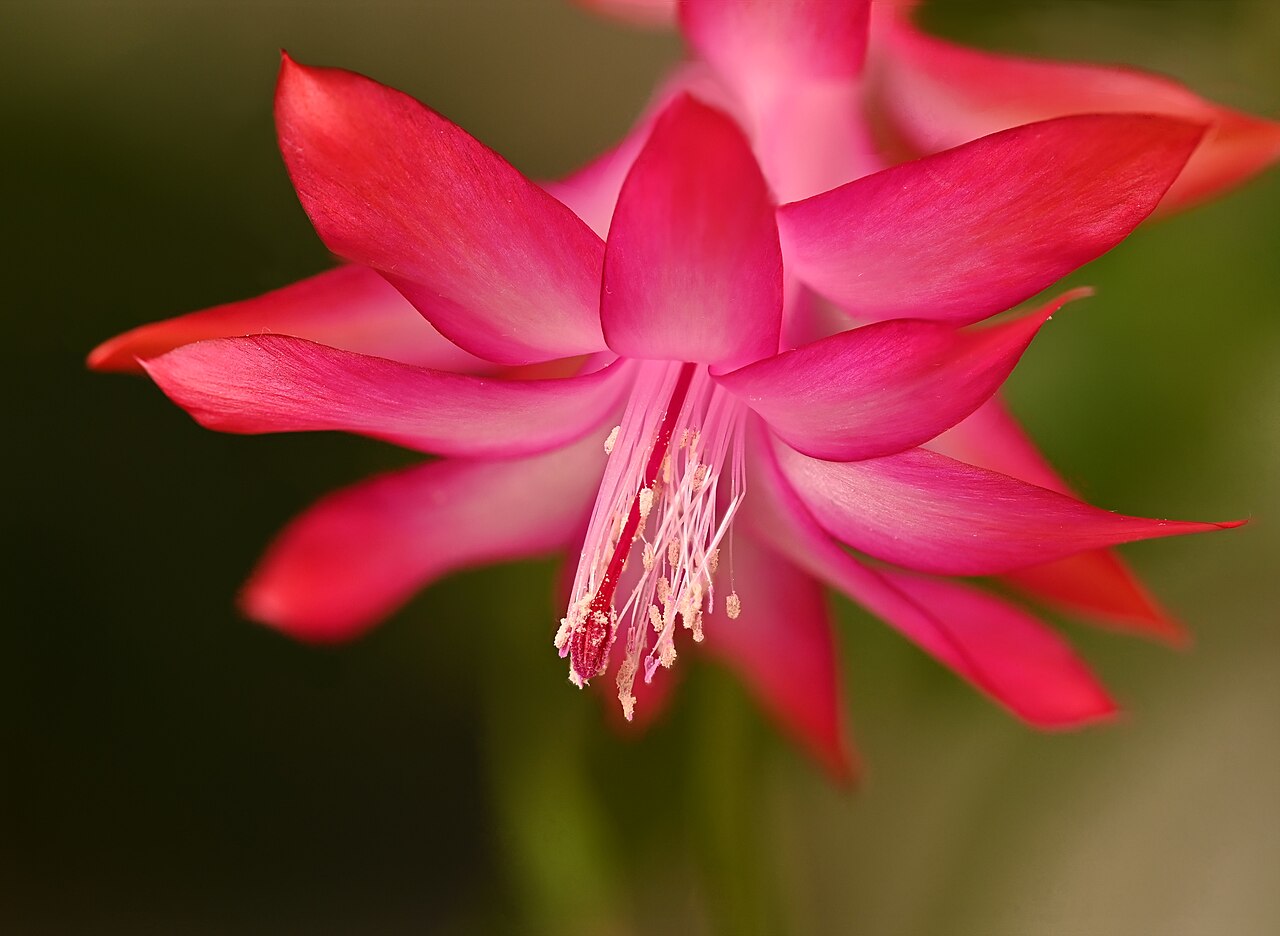
Some heavily doubled cultivars have little accessible pollen or nectar. Open flowers can be easier for many insects to use. If space is limited, grow a few healthy flowering containers rather than purchasing numerous plants that cannot receive enough light or water.
Avoid unnecessary pesticides
Pollinators can be harmed by insecticides and contaminated plants. Prefer prevention, appropriate plant selection and non-chemical methods when possible. Follow local regulations and product labels if treatment is ever necessary, and avoid spraying flowering plants visited by insects.
Offer habitat as well as flowers
A shallow, regularly cleaned water source with landing stones, a patch of undisturbed soil where appropriate and fewer artificial lights can support insects. Observe visiting species without trapping them. Leave enough room for safe walking and building maintenance on shared balconies.
A general educational overview, not a substitute for professional guidance. Check current local rules and trusted primary sources before making consequential decisions.
Share this article