| Instrument | Typical role | What to listen for |
|---|---|---|
| Acoustic guitar | Rhythm and accompaniment | Repeating strummed chords or fingerpicked patterns |
| Fiddle | Melody and dance energy | Bow-driven phrases and rapid note runs |
| Banjo | Rhythmic or melodic picking | Crisp, bright notes with a plucked attack |
| Pedal steel guitar | Expressive fills | Sliding, bending, sustained pitches |
| Upright or electric bass | Low foundation | Regular beat and movement under the song |
Listen like a music historian
Use three short excerpts from different decades; note the differences before choosing a genre label.
Follow the story
Write one sentence about what the singer is trying to communicate.
Identify the rhythm
Hear the guitar or bass pulse before focusing on solos.
Spot a lead instrument
Look for fiddle, banjo or sliding steel notes; absence of one proves nothing.
Check the recording context
Compare the release period and source; early and contemporary country can sound very different.
What makes music country, beyond a cowboy hat?
Country is a family of popular-music traditions developed in the United States, rather than one fixed beat or a costume. Many songs put a clear voice and a story at the center: love, loss, work, travel, humor or ordinary decisions. The backing might be a spare acoustic guitar and fiddle, an electric band with drums, or a polished modern production. The useful question is not whether every track contains a banjo; it is how the melody, singing, storytelling and musical lineage connect. A contemporary country song can sound quite different from an early rural recording and still belong to the same broad tradition. Listen to the arrangement and the narrative before deciding from a single instrument.
Where country music came from: several traditions, not one inventor
Country music developed from overlapping Southern US musical cultures. Ballads and fiddle-based dance tunes associated with settlers from Britain and Ireland met blues, gospel, Black string-band playing, African-derived banjo traditions, cowboy songs and the sounds of traveling performers. The Library of Congress documents the banjo's deep African American history and its importance to old-time, bluegrass and country music; that contribution is often missing from simplified histories. Fiddle playing also developed locally across several regions. Rather than imagine a single town where someone invented country music overnight, picture communities exchanging tunes and techniques, followed by radio and recording companies giving certain styles a national audience.
Why the 1927 Bristol Sessions mattered—and what came before
Bristol, on the Tennessee–Virginia border, is widely called the birthplace of country music because of commercially influential recordings made there in 1927. Producer Ralph Peer recorded 76 songs by 19 performers or groups, including early recordings by the Carter Family and Jimmie Rodgers. These sessions helped establish influential careers and brought regional music to a wider record-buying audience. But they did not create the musical traditions from nothing: early commercial recordings existed before Bristol, including performances by fiddlers in the early 1920s. The Birthplace of Country Music Museum makes the commercial breakthrough clear; calling Bristol a key recording landmark is more accurate than treating it as the sole musical origin.
The instruments that shape its recognizable sound
An acoustic guitar often supplies rhythmic chords and can carry a song with just one singer. A fiddle, essentially a violin played in these folk and dance traditions, adds moving melodies and quick runs. The banjo contributes a sharply articulated plucked sound, whether used rhythmically or for elaborate picking. Steel and pedal steel guitars can bend and slide notes into the long, expressive phrases many listeners associate with country. Bass and drums give a band its pulse, while mandolin, Dobro, piano, harmonica and accordion appear in different branches. The Country Music Hall of Fame explains how these instruments changed roles over time. No single lineup is compulsory: try identifying what each instrument does rather than assuming a genre from a checklist.
Country, bluegrass, honky-tonk and western swing: an easy listening map
For a practical comparison, start with traditional country storytelling and guitar-led arrangements. Then listen for the fast, coordinated acoustic picking and high vocal harmonies associated with bluegrass, where banjo, fiddle, mandolin, guitar and upright bass often share the spotlight. Honky-tonk emphasizes danceable rhythms, direct emotional songs and a sound suited to lively venues; western swing mixes country string playing with dance-band and jazz-influenced phrasing. Some modern country uses large drums, electric guitars, synthesizers or pop-influenced production. These are overlapping descriptions, not rigid borders. A single performer may draw from several styles across different albums. Comparing two short passages is often more illuminating than arguing about a label.
A three-minute way to recognize country music yourself
Choose one recording from the Carter Family, one by Hank Williams and one present-day country performance. Do not rank them immediately. First, follow the words: is someone telling a short story, describing a place, or addressing a person directly? Second, notice the instrument that holds the rhythm and the one that decorates the melody; listen for fiddle, steel guitar or banjo without expecting all three. Third, compare how the voice is phrased against the beat and how the chorus returns. Finally, check who recorded the song and when, using a museum collection or reliable discography rather than social-media captions. The exercise shows both continuity and change. The genre is broader than a stereotype, and its history includes musicians and audiences from many backgrounds.
- Birthplace of Country Music Museum — the 1927 Bristol Sessions and early recording history ↗
- Country Music Hall of Fame and Museum — historical guide to country instruments ↗
- Library of Congress — African-American banjo history and connections to country ↗
- Tennessee State Hall of Fame — country music, Appalachian traditions, blues and Nashville ↗
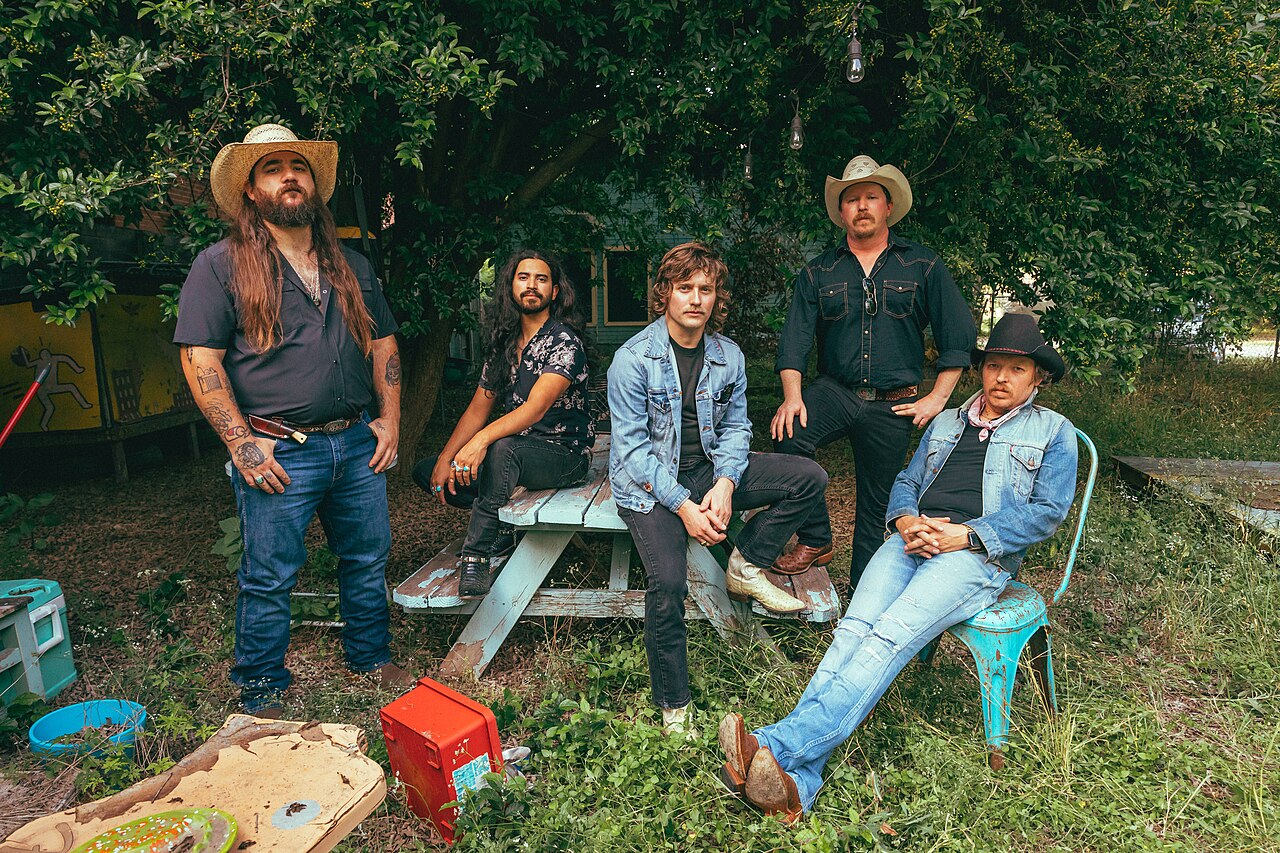
- Wikimedia Commons — original photograph of Mike and the Moonpies, by Femmechase, CC BY-SA 4.0 ↗
A general educational overview, not a substitute for professional guidance. Check current local rules and trusted primary sources before making consequential decisions.
Share this article