Two different causes can look similar
Cloudiness may be a surface film or damage to the glass itself. Mineral deposits often relate to hard water, while detergent residue can reflect washing conditions and dosage. Glass corrosion permanently changes the surface. Simply washing everything again at a higher temperature may therefore fail or make matters worse. Do not begin with abrasive powder or a metal scouring pad.
Try one plain drinking glass first
On plain, undecorated glass, gently rub a small cloudy area with a soft cloth and a little food-grade white vinegar, then rinse. If it clears, surface deposits are likely. If it does not, etching or another persistent film is possible: this is a household check, not a conclusive diagnosis. For crystal or decorated pieces, consult the maker’s care instructions before testing.
Check hardness and softener settings
Ask your water supplier for the hardness level or use a suitable test strip. If your machine has an integrated softener, set it using the table for that specific model and check its supply of dishwasher salt. Do not automatically choose maximum softening: very soft water can also contribute to glass damage. Ordinary cooking salt is not a substitute for the product specified in the manual.
Review detergent and rinse aid
Match detergent quantity to water hardness and the product instructions. More detergent does not necessarily mean cleaner glasses, particularly with soft water. Check the rinse-aid supply and setting in the appliance manual: it helps water run off and reduces marks left by dried droplets. Change one setting at a time and compare results so you can tell what made a difference.
Choose a suitable load and cycle
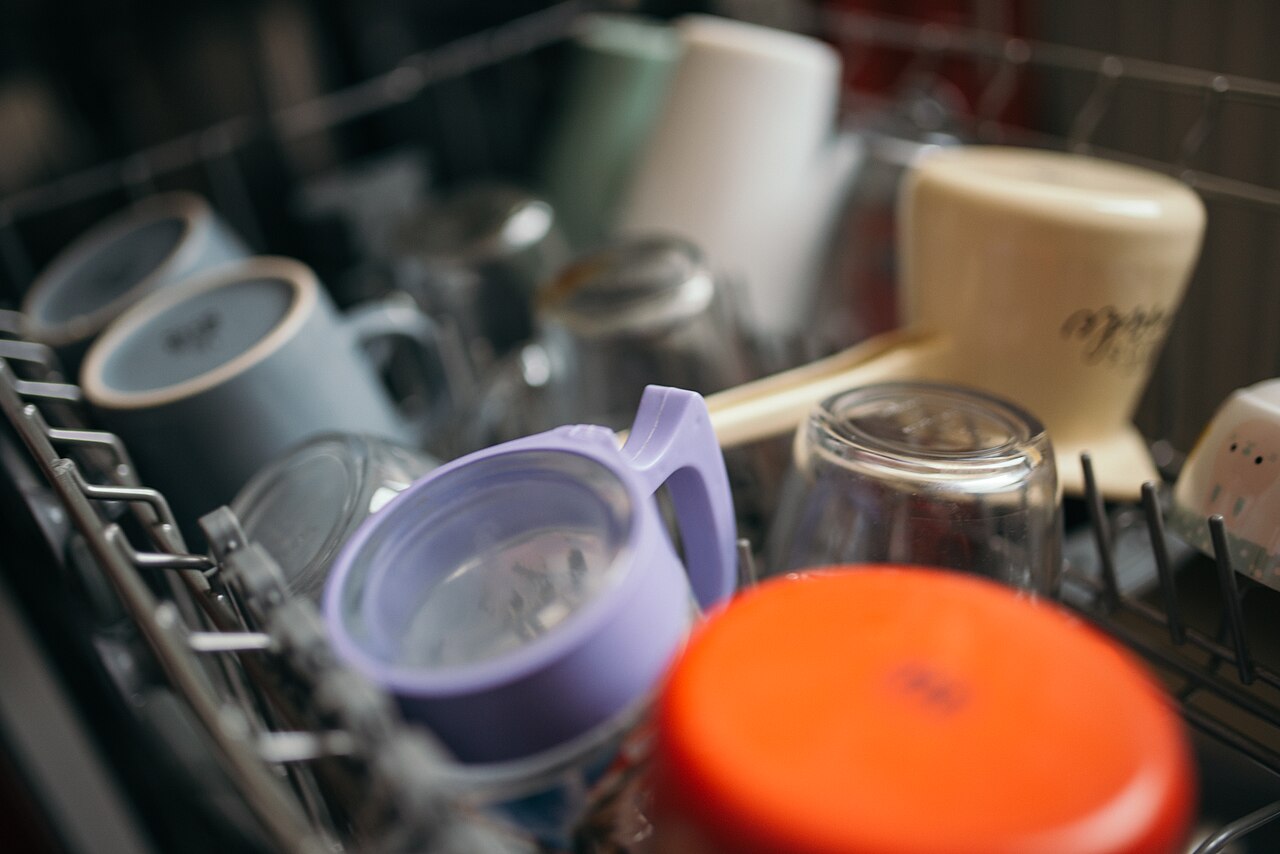
Confirm that your glasses are dishwasher-safe, stand securely and cannot knock against one another. Keep spray arms unobstructed. For suitable glassware, choose the recommended gentle programme instead of using the hottest cycle without a reason. Hand-wash valuable pieces with care restrictions. A white mark on one old glass and a film across the entire load are different clues when investigating the cause.
Know when cleaning cannot restore glass
Removing deposits cannot rebuild an etched surface. Once glass corrosion is confirmed, concentrate on preventing damage to other items. Clean the appliance only with a compatible product following its instructions; never mix vinegar with chlorine-based cleaners. If the problem suddenly affects the entire load and remains after checking settings, record the model, programme and products used before contacting service.
A general educational overview, not a substitute for professional guidance. Check current local rules and trusted primary sources before making consequential decisions.
Share this article