Start with fit and mechanical control
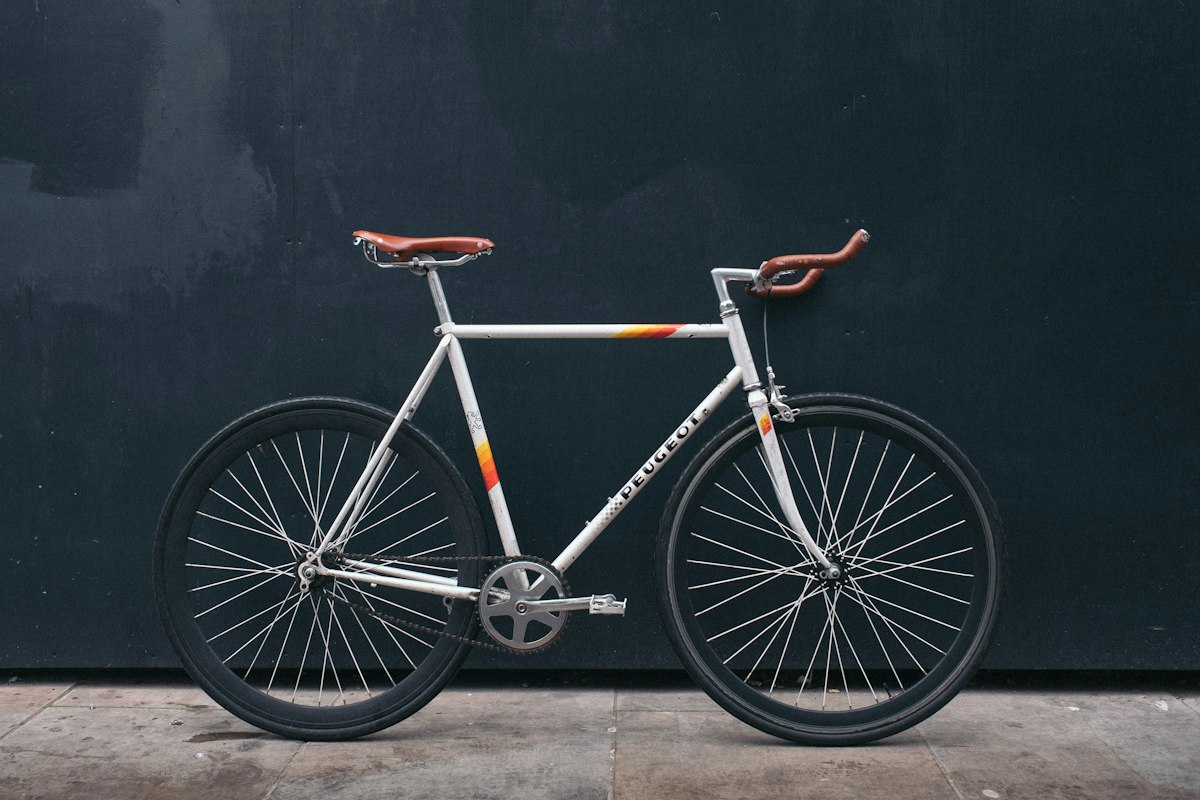
A bike should suit your height and allow comfortable control of steering, pedals and brakes. Before every trip, squeeze both brakes while stationary and roll the bicycle a short distance to confirm they work. Check tires for visible damage and inflate them according to the sidewall and manufacturer guidance. Make sure the wheels are secured and nothing rubs on a tire. If the brakes feel inconsistent, the steering is loose or the frame is damaged, repair the problem before riding rather than hoping to compensate with skill.
Make yourself visible in more than one way
Use a suitable white front light, red rear light, reflectors and clothing that helps others spot you in darkness or low visibility. Check local traffic rules because minimum lighting requirements vary. NHTSA recommends front and rear visibility equipment, especially at night. Reflective materials are useful when illuminated by headlights, but they do not replace working lights. Point your front light to illuminate the way without dazzling other road users. Test both lights before leaving and keep their batteries charged.
Choose predictable behavior at junctions
Follow applicable local road rules, ride in the expected direction and signal turns when it is safe to take one hand from the bar. Watch for opening car doors and vehicles turning across your path. Do not assume a driver sees you just because you can see the vehicle. At junctions and roundabouts, slow down enough to assess what others are doing and avoid sudden movements between lanes or sidewalks. Give pedestrians space on shared paths and use a bell politely rather than startling someone from behind.
Wear and carry equipment that does not catch in the bike
A correctly fitted bicycle helmet can reduce injury risk in some crashes and should meet the standards applicable in your region. Wear shoes with secure laces and keep loose trousers or straps away from the chain. Carry bags in a backpack or securely attached rack instead of swinging them from the handlebars. Adjust clothing for the weather without sacrificing visibility. Consider gloves or a reflective outer layer for colder rides, but avoid accessories that restrict your hearing, steering or ability to see around you.
Plan a route with fewer conflicts
A route with protected cycle lanes, calmer junctions and predictable crossings may be preferable to the shortest route through fast traffic. Check roadworks and weather before setting off. Leave extra time at dusk or in rain and recognize that visibility drops in both directions. Tell someone about longer unfamiliar trips and carry a charged phone plus basic repair supplies suited to your bicycle. If conditions become unsafe, stopping or walking the bike is a sound decision, not a failure.
A general educational overview, not a substitute for professional guidance. Check current local rules and trusted primary sources before making consequential decisions.
Share this article