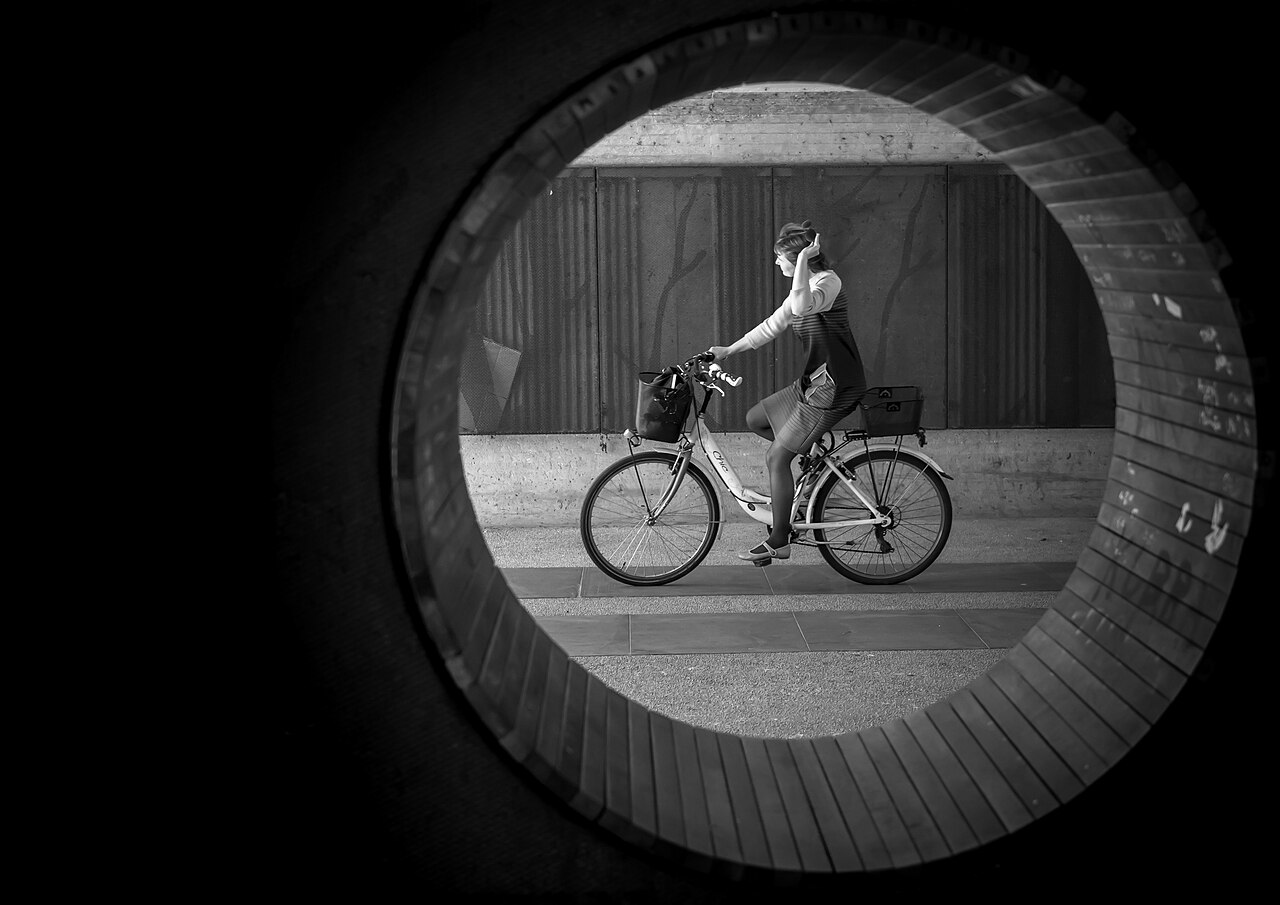
Activity is not limited to workouts
Brisk walking, cycling for transport, swimming, dancing and other daily activities can contribute to health. WHO emphasizes that any physical activity is better than none, and people can gradually increase movement to suit their abilities.
Break up long sitting periods
A day with one workout may still contain many hours of sitting. Try introducing short walking or standing breaks where practical, especially if work or study keeps you at a screen. Comfortable variation is often more sustainable than a perfect strict schedule.
Understand the adult target
WHO guidance generally suggests 150–300 minutes of moderate aerobic activity a week, or an equivalent amount of vigorous activity, plus muscle strengthening. These are goals to work toward rather than requirements to complete immediately after inactivity.
Respect medical limitations
If you have a condition that affects exertion, ask a qualified health professional about suitable activity. Chest pain, fainting or severe unexplained shortness of breath require medical assessment rather than an attempt to push through exercise.
A general educational overview, not a substitute for professional guidance. Check current local rules and trusted primary sources before making consequential decisions.
Share this article