| Type | Usually safest first step | Avoid |
|---|---|---|
| Plain sterling silver | Soft cloth; mild cleaning when appropriate | Harsh abrasives and frequent polishing |
| Silver-plated jewellery | Gentle dry wipe; check maker's care advice | Heavy rubbing that wears through plating |
| Silver with pearls or porous gems | Gem-specific care; ask a jeweller | Soaking, chemical dips and ultrasonic cleaning |
| Antique or deliberately darkened silver | Professional assessment first | Removing original patina |
First determine whether the silver is actually dirty or tarnished
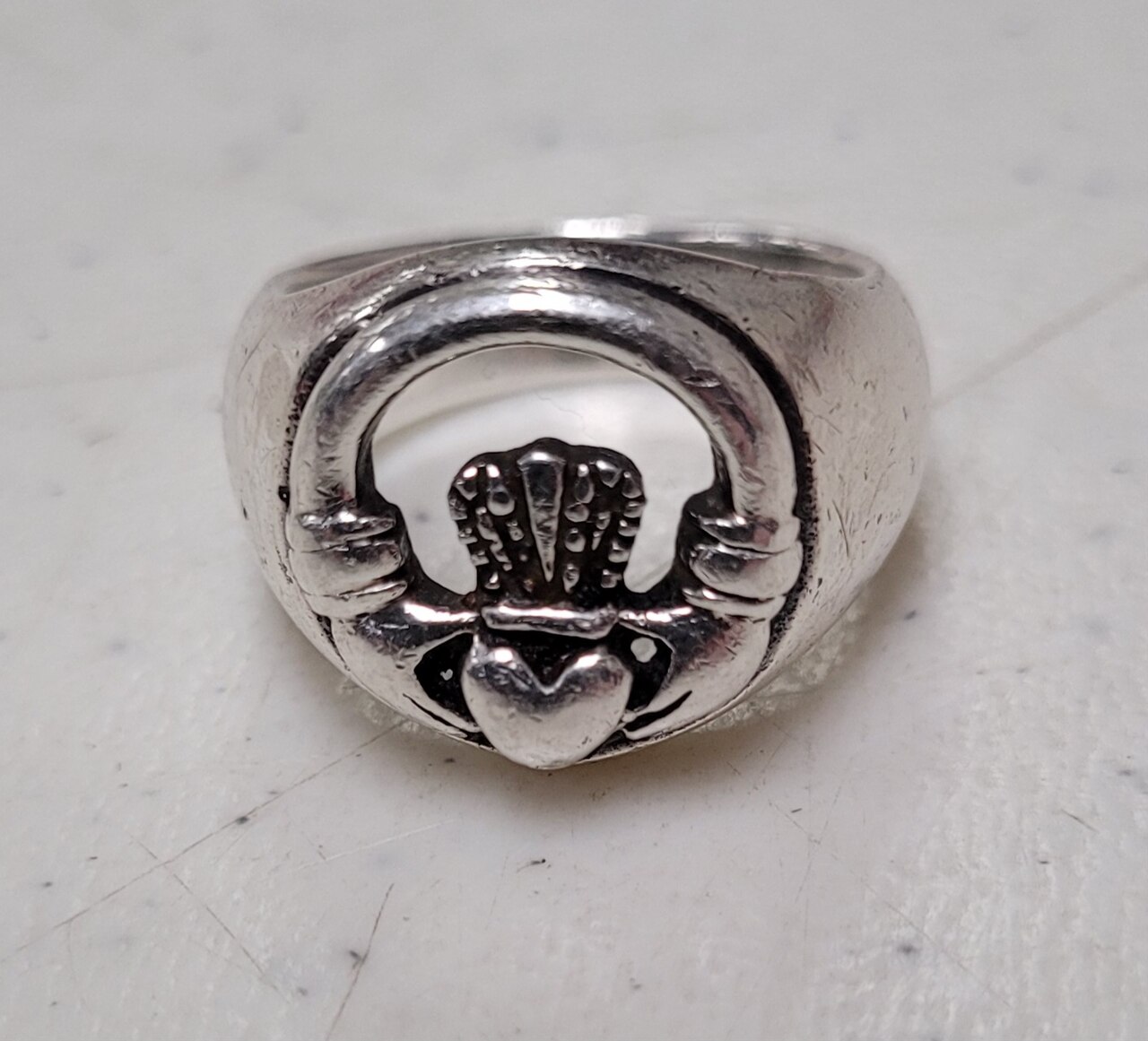
Silver jewellery can look dark for two different reasons. Grease, fingerprints and dust collect on surfaces, while tarnish is a chemical change caused when silver reacts with sulfur-containing substances in the environment. The Canadian Conservation Institute explains that the characteristic dark product is largely silver sulfide, and every abrasive polish removes at least a tiny amount of metal together with the tarnish. That matters most for thin plating, engravings and delicate historic pieces. Before cleaning, check any maker's markings and instructions and look carefully for gemstones, glued parts, worn plating, intentional dark recesses or loose settings. A plain sterling silver chain can often tolerate treatment that would damage a pearl pendant or plated costume piece. Start with the least invasive approach rather than reaching straight for a harsh homemade mixture. If the object is valuable, antique or uncertain, a qualified jeweller or conservator is a better first stop.
The gentlest routine for ordinary unadorned silver
For a simple, sturdy sterling silver item with no vulnerable attachments, begin by removing loose dust using a clean, soft, dry cloth. If greasy residue remains, the Canadian Conservation Institute recommends careful washing with a suitable mild cleaning solution when the object is safe to get wet; use only a small amount of gentle soap and lukewarm water for everyday non-porous pieces, following the manufacturer's instructions. Rinse carefully in a small bowl rather than over an open drain and dry fully with a soft lint-free cloth, including around clasps. Do not soak jewellery that has glued decorations, hollow compartments, unknown coatings or sensitive stones. If black tarnish remains after dirt is gone, ordinary soap may not remove it: consider a silver-specific polishing cloth used gently, or seek professional cleaning for intricate items. Test any product on an inconspicuous area and do not scrub aggressively to force a mirror finish. The goal is careful preservation, not removing as much surface as possible.
Using a silver polishing cloth without rubbing through the metal
A polishing cloth specifically designed for silver can be useful for lightly tarnished plain sterling pieces. The Canadian Conservation Institute describes these cloths as relatively gentle abrasive tools, while noting that polishing always removes some surface material. Wipe in small, controlled motions and stop if a finish changes unexpectedly. Do not press hard on thin chains, hollow charms or raised details, and be especially careful with plated jewellery: it may have only a very thin silver layer over another metal. Commercial silver polish can also leave residues in cracks or around a setting, and stronger multi-purpose metal polish can make scratches worse. Some intentionally darkened jewellery uses oxidation to accentuate a pattern, and polishing every recess may permanently change its design. Rather than cleaning every item to a uniform bright colour, decide whether the dark area is unwanted tarnish or part of the intended finish. If unsure, ask the maker or a reputable jeweller before polishing.
Why baking soda, toothpaste, foil dips and ultrasonic cleaners can be risky
Internet guides often recommend toothpaste, baking-soda paste, aluminum foil with hot liquid or strong chemical dips as universal silver cleaners. They are not universally safe. Abrasive particles can scratch soft metal, and chemical or electrochemical treatment may alter patina, attack finishes or damage delicate joined pieces. The Canadian Conservation Institute warns that some dip treatments are difficult to rinse from hollow objects and can leave a less desirable surface. GIA also cautions that porous or sensitive gems, including pearls and turquoise, require special treatment and that ultrasonic machines can loosen stones or damage certain materials. Never use one household recipe on every ring simply because it worked on a plain spoon. For jewellery with gems, obtain advice for the particular stone and treatment before using water, heat, chemicals or vibration. If a stone moves in its setting, stop cleaning and have it repaired instead of testing stronger products.
How to care for pearls, plated pieces and antique jewellery
Mixed-material jewellery should be treated as a collection of different surfaces, not just as silver. Silver plating is thin and can wear away with repeated rubbing; a plated bracelet should usually receive a gentle wipe rather than the same treatment as solid sterling silver. Pearls, coral, turquoise and many treated gemstones can be damaged by the wrong cleaners, soaking or ultrasonic machines. GIA advises identifying the gemstone and its treatment, and seeking professional guidance when uncertain. Antique pieces may also have fragile solder joints, old adhesives or deliberate dark patina that contributes to the original appearance. Never use a harsh polish on niello, decorative oxidation or gilded details without expert advice. If water has entered a complex setting, leaving it wet may cause additional problems, so have it assessed if you cannot dry it safely. When a piece is emotionally or financially valuable, the safest cleaning method may be doing nothing beyond a gentle dry wipe.
How to store silver so it tarnishes less often
Preventing tarnish reduces the number of times you need to remove material by polishing. The Canadian Conservation Institute identifies sulfur-containing gases and humidity as important factors in silver tarnishing; storage in a clean, dry, well-sealed container made from suitable materials can slow the reaction. Keep pieces separate in soft pouches or compartments so rings, chains and hard stones do not scratch each other. Avoid storing silver alongside rubber and other materials that may release sulfur compounds. Dry jewellery carefully before putting it away, and do not use an unknown anti-tarnish product directly against delicate gemstones or finishes without checking compatibility. After swimming, exercise, perfumes or lotions, a gentle surface wipe may help remove residues, but follow the maker's instructions first. The most durable habit is careful storage and infrequent, appropriate cleaning rather than monthly deep polishing. For another guide on gentle cleaning, see /guides/clean-glasses-without-scratches/; more everyday practical topics are in /topics/tools/.
A general educational overview, not a substitute for professional guidance. Check current local rules and trusted primary sources before making consequential decisions.
Share this article