Check materials before choosing a method
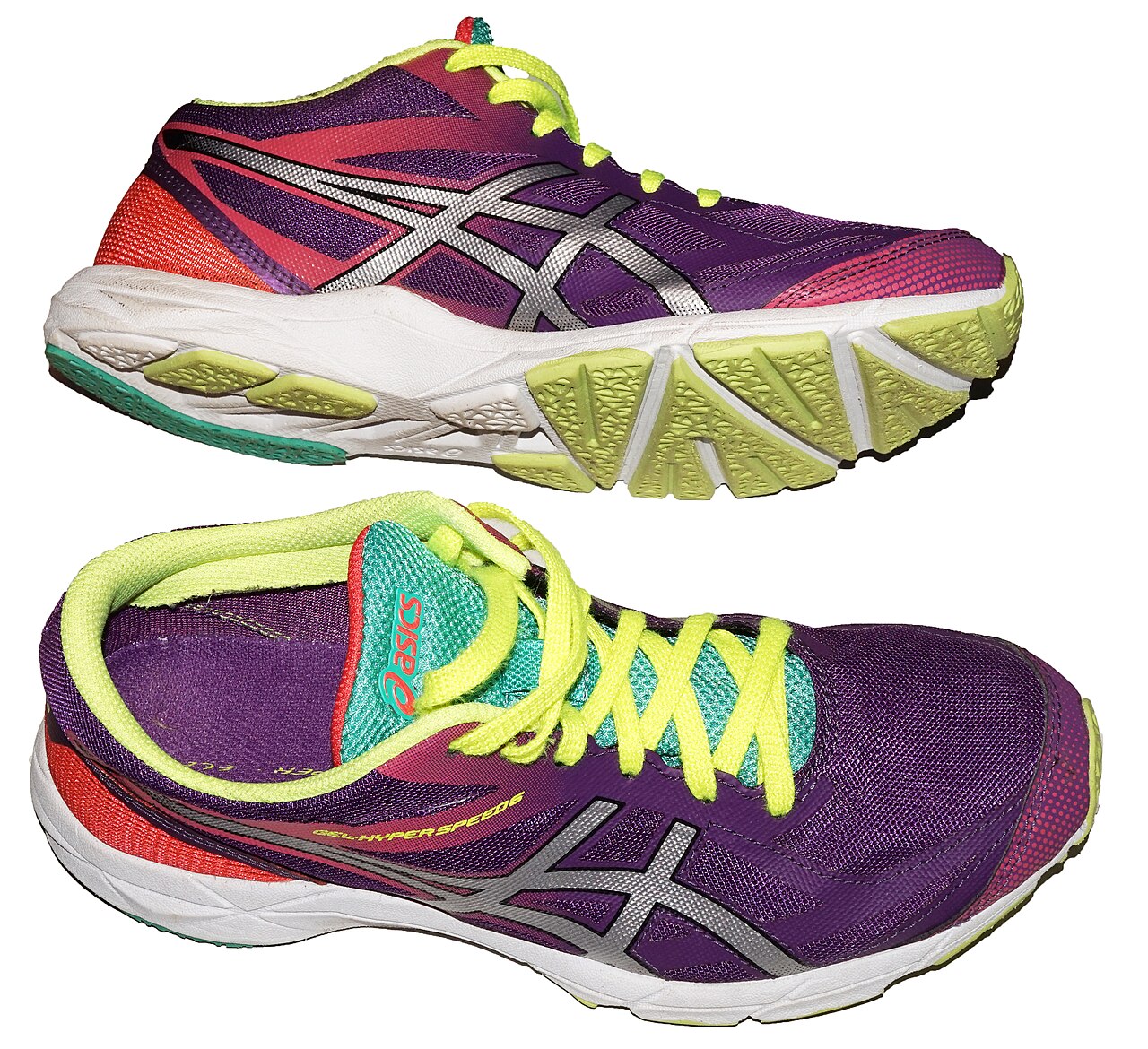
Find the manufacturer’s directions for your particular pair. Mesh running shoes, suede, smooth leather and membrane-lined footwear need different care. Do not apply advice for a textile upper to suede panels. If the material is unclear, begin with a soft dry brush and check which cleaner is suitable. A sportswear programme on a washing machine does not automatically make shoe washing safe.
Remove loose dirt before wet cleaning
Take out the laces and removable insoles, without pulling out glued components. Brush away loose soil and dried mud gently, and clear stones from the tread separately. Avoid spreading a thick layer of wet clay across mesh. Prepare a soft cloth, brush and lukewarm water. Shoes that are merely rain-soaked may need dirt removal and thorough drying rather than a complete wash.
Clean the upper gently by hand
For compatible textiles, use a manufacturer-approved mild cleaner with a damp cloth or soft brush. Work gently on dirty areas, then remove cleaner with a clean damp cloth or light rinsing as directed. Do not leave the whole pair soaking in a bucket. Nike and Brooks advise against machine washing their running shoes: soaking, mechanical agitation and heat can damage materials or alter their shape.
Treat insoles and laces separately
Follow the insoles’ own instructions because foams and coverings differ in how they tolerate moisture. Laces can be cleaned separately with a mild solution where their material allows it. Do not put damp components back inside an otherwise dry upper, trapping moisture again. Rather than masking persistent smells with perfume, first check that the insoles and the entire shoe interior have dried thoroughly.
Encourage airflow rather than intense heat
Open the tongue and leave the shoes in a ventilated place at room temperature. Clean absorbent cloth or paper towels inside can take up some moisture; remove them when wet and continue air drying. Keep shoes off radiators and out of tumble dryers because heat can damage adhesives and foam. Before using a dedicated shoe dryer, check whether your footwear manufacturer permits that method.
Check dryness before wearing or storing
Check the inside toe area, heel and insoles, not just the outside mesh. There is no universal two-hour deadline: water quantity, construction and room humidity all affect drying. Reassemble only when everything is dry, and never shut damp shoes inside a bag. Inspect seams and soles while cleaning. Washing will not restore detached components or worn tread; those problems need a separate decision about repair or replacement.
A general educational overview, not a substitute for professional guidance. Check current local rules and trusted primary sources before making consequential decisions.
Share this article